
When considering patio options, concrete block paving stands out for several compelling reasons. Its exceptional durability guarantees your outdoor space withstands the elements while maintaining its integrity. Plus, the variety of colors and patterns allows you to customize your design effortlessly. Maintenance is straightforward, making it user-friendly for homeowners. But what truly sets it apart are its long-term benefits that extend beyond aesthetics and ease of upkeep. Let’s explore these factors in detail.
Key Takeaways
- Concrete block paving offers exceptional durability, withstanding heavy rainfall, frost, and extreme heat, making it ideal for outdoor patios.
- Aesthetic versatility allows for various colors, shapes, and textures, enabling homeowners to create unique, customized patio designs.
- Easy maintenance and repair solutions, such as simple cleaning and individual paver replacement, keep patios looking pristine over time.
- Cost-effective value stems from long-lasting performance, with pavers lasting up to 100 years, reducing overall maintenance and repair expenses.
- Environmental benefits include sustainable materials and permeable designs that manage stormwater, improving landscaping and reducing flooding risks.
Exceptional Durability and Longevity
When you choose concrete block paving for your patio, you’re investing in exceptional durability and longevity that can stand the test of time.
The quality of materials you select plays an essential role in your patio’s lifespan. High-grade blocks offer impressive weather resilience, allowing them to withstand heavy rainfall, frost, and extreme heat.
Proper installation by skilled professionals further enhances durability, ensuring that your paving can handle heavy traffic without succumbing to wear.
Regular maintenance, including cleaning, re-sanding, and timely repairs, is vital to prolong its life. Additionally, selecting the right sealant is crucial for weed prevention, as it helps maintain the integrity of your paving.
With the right material selection and care, your concrete block paving can endure for years, making it a reliable choice for any outdoor space.
Aesthetic Versatility and Design Options
Concrete block paving offers unparalleled aesthetic versatility and an array of design options that can transform your patio into a stunning outdoor retreat.
With a variety of colors, shapes, and textures, you can explore countless color combinations to create a unique look. The flexibility in pattern variations, such as herringbone, basket weave, or geometric designs, allows you to tailor your patio’s style to fit your vision.
Textured pavers enhance visual interest and can mimic natural materials like stone or wood. You can even stamp and stain concrete for a polished finish, offering even more customization. Additionally, block paving’s high resistance to stains ensures that your patio maintains its beauty over time.
Easy Maintenance and Repair Solutions
One of the standout benefits of choosing concrete block paving for your patio is the straightforward maintenance and repair solutions it offers. With simple maintenance tips, you can keep your pavers looking pristine. Regular sweeping and using a mild cleaning solution keeps debris at bay. If a paver gets damaged, you can easily replace it without disrupting the entire surface. Additionally, applying sealants regularly helps protect the integrity of the blocks against environmental elements.
| Maintenance Tips | Repair Techniques |
|---|---|
| Sweep regularly to prevent weeds | Replace individual pavers as needed |
| Use non-acidic cleaners | Treat stains promptly with absorbents |
| Reapply sealers every 2-5 years | Wash and seal for color restoration |
Cost-Effective Value Over Time
Investing in concrete block paving for your patio offers remarkable cost-effective value over time, especially when you consider both initial and long-term expenses.
While the initial investment for pavers may be higher—ranging from £10 to £20 per square foot—this upfront cost is offset by significant long-term savings.
Pavers typically last up to 100 years, outlasting concrete, which may require replacement sooner. Their durability means lower maintenance and repair costs; replacing individual pavers is more affordable than extensive concrete repairs.
Additionally, the interlocking design of pavers reduces the risk of cracking and weed growth, enhancing longevity. Furthermore, proper installation ensures the durability of block paving, contributing to its long-term value.
Ultimately, the choice of pavers over concrete proves to be a wise decision for both your wallet and your outdoor space.
Environmental Benefits and Considerations
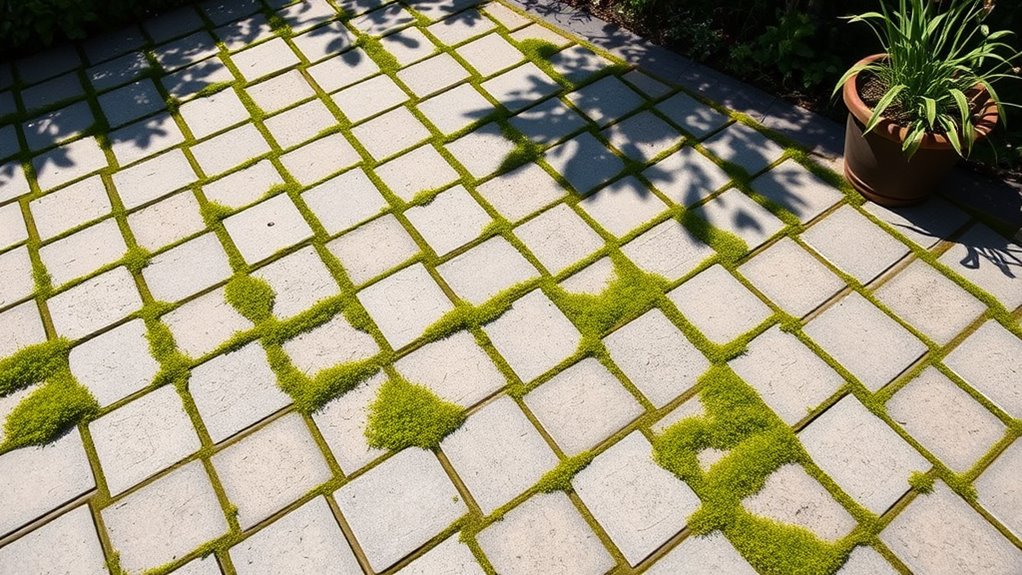
When considering outdoor renovations, the choice of materials can considerably impact not just your budget but also the environment.
Concrete block paving stands out due to its sustainable materials and ability to support green infrastructure. These permeable pavers manage stormwater effectively, allowing rainwater to filter through, thereby reducing flooding risks and enhancing groundwater recharge.
By using locally sourced and recycled materials, you minimise transportation emissions and conserve resources. Plus, the long lifespan of concrete pavers means less frequent replacements, which cuts down on waste.
Additionally, they improve air quality by mitigating the urban heat island effect and reducing energy demand for cooling. Choosing concrete block paving promotes better stormwater management in urban areas, further contributing positively to the ecosystem.
Choosing concrete block paving not only beautifies your patio but also contributes positively to the ecosystem.
Frequently Asked Questions
How Do Concrete Pavers Handle Heavy Vehicle Traffic?
You might think heavy vehicles would crush concrete pavers, but their load-bearing capacity shines. With low maintenance requirements, they resist cracking and guarantee durability, making them an unexpected champion in high-traffic scenarios.
Can Concrete Pavers Be Installed Over Existing Surfaces?
Yes, you can install concrete pavers over existing surfaces. Verify proper surface preparation and choose appropriate installation techniques, like sand set or mortar set, to guarantee stability and longevity for your new paving project.
What Colors and Patterns Are Available for Concrete Pavers?
You’d think concrete pavers are just gray blocks, but you’ll discover vibrant color options and intricate pattern designs. Mix earthy tones with cool hues to create a unique outdoor space tailored to your style.
How Long Does the Installation Process Take?
The installation timeline varies based on project duration, size, and design complexity. Simple projects may finish in a day, while larger, intricate designs could take several days, influenced by weather and material preparation.
Are Concrete Pavers Slippery When Wet?
Picture stepping onto a smooth, glistening surface after rain; without proper paver maintenance and textured surfaces, those concrete pavers can become slippery. Ensuring good texture and upkeep keeps your patio safe and inviting.
Conclusion
So, while you might think investing in concrete block paving is just about creating a pretty patio, it’s actually a savvy move for durability, design, and sustainability. Who knew that such a simple choice could deliver exceptional longevity and low maintenance? With the ability to customize your outdoor space and minimize environmental impact, you’re not just paving a patio; you’re laying down a foundation for a smarter, more stylish future. Your backyard could be the envy of the neighbourhood—how ironic!

Adding curb appeal to your home can be a daunting task, but it doesn't have to be. Designing and installing Read more

As homeowners, we are always looking for ways to improve and add value to our properties. One popular choice for Read more

Block paving, like a well-tended garden, is a testament to the care and attention given to one's property. Just as Read more