
As homeowners, we are always looking for ways to improve and add value to our properties. One popular choice for many is block paving, which can transform driveways, patios, and paths with a range of styles, colours, and edging options. However, with any home improvement project, it’s important to consider the practicalities and potential issues that may arise, such as drainage.
So, does a block paved driveway need drainage? The short answer is yes. Without proper drainage, a block paved surface can quickly become waterlogged, leading to a range of issues such as erosion, cracking, and even subsidence.
In this article, we will explore the importance of drainage when it comes to block paving, and provide guidance on how to ensure a long-lasting and well-functioning surface. From the installation process to maintenance tips, we’ll cover everything you need to know to make your block paved driveway a success.
Key Takeaways
- Drainage is an important consideration when installing a block paved driveway.
- Permeable block paving is available as a solution for reducing flooding potential.
- Geotextile can be used to separate sub-base from the ground.
- Regular maintenance is necessary for long-lasting driveways, and jet washing should be done with care to avoid damaging the sand.
Benefits of Block Paving
You’ll be delighted to know that opting for block paving in Nottingham comes with a range of benefits that will add value and character to your home like a bouquet of flowers in a vase.
One of the most significant benefits is durability. Block paving is an incredibly durable option for driveways, patios, and paths, making it a cost-effective choice in the long run. It’s also weather-resistant and can withstand harsh weather conditions without cracking or fading.
Another advantage of block paving is the range of design options it offers. You can choose from a wide range of pavers, styles, colours, and edging to create a unique look for your home.
Additionally, permeable block paving is available for those looking to reduce the potential for flooding.
This type of paving allows rainwater to drain through, reducing the amount of surface water and preventing flooding.
In summary, block paving in Nottingham offers durability advantages, cost benefits, weather resistance, design options, and permeability benefits, making it an excellent choice for homeowners looking to improve the look and value of their property.
Installation Process
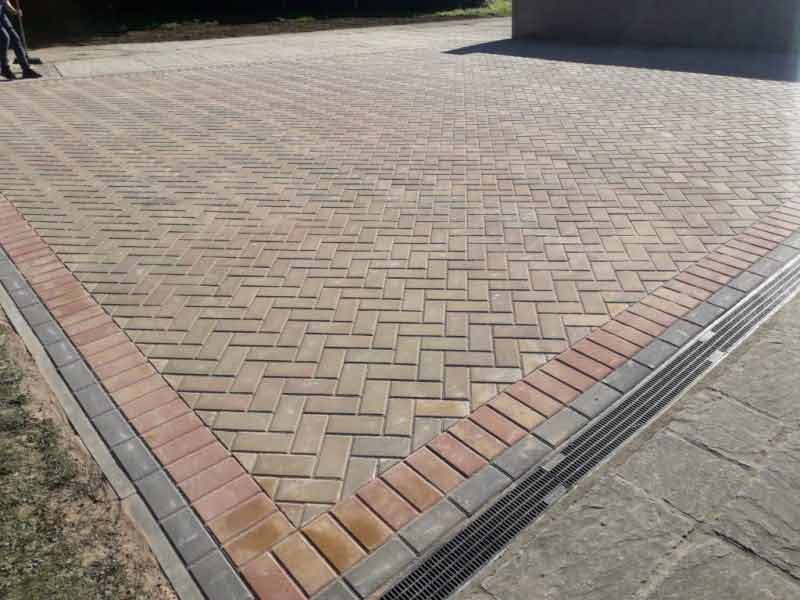
During the installation process, it’s crucial to consider factors such as proper groundwork, sub-base separation, and edging for a long-lasting and visually appealing block paving project. The preparation steps should include removing any existing surface, checking for underground utilities, and levelling the ground. Next, the sub base requirements should be assessed, including the type of sub base material, its depth, and its compaction level. It’s important to ensure that the sub base is firm and stable to prevent movement and sinking of the blocks. Drainage solutions should also be incorporated to prevent water from pooling and damaging the driveway. This can include designing a slope for water runoff, installing a drainage system, or using permeable block paving.
Edging options are also important for a clean and finished look. This can include using concrete kerbs, timber edging, or natural stone borders. Finally, finishing touches such as jointing sand and sealants should be applied to prevent weed growth and protect the blocks from damage. By taking these factors into consideration, a block paved driveway can be installed with confidence, knowing that it will not only look great but also function effectively and efficiently.
| Preparation Steps | Sub Base Requirements | Drainage Solutions | Edging Options |
|---|---|---|---|
| Remove existing surface | Type of sub base material | Design a slope for water runoff | Concrete kerbs |
| Check for underground utilities | Depth of sub base material | Install a drainage system | Timber edging |
| Level the ground | Compaction level of sub base material | Use permeable block paving | Natural stone borders |
Consider the surroundings and choose appropriate landscaping elements.
Maintenance Tips
Proper maintenance ensures that your block paving project retains its value and durability. Tasks such as regular cleaning, weed prevention, and jointing sand replacement are crucial.
To prevent weeds from growing between the blocks, it’s important to remove any weeds that emerge as soon as possible. This can be done by using a mixture of white vinegar and water or rock salt and water, which can be sprayed on the weeds to kill them. Alternatively, a commercial weed killer can be used, but be sure to follow the instructions carefully and avoid getting it on the surrounding plants or grass.
In addition to weed prevention, it’s important to repair any damages to the block paving as soon as possible. This can be done by removing the damaged blocks and replacing them with new ones. It’s also a good idea to have the block paving sealed to protect it from stains and other damage. There are a variety of sealing options available, including acrylic sealers, which provide a high gloss finish, and penetrating sealers, which provide a more natural look.
Finally, regular cleaning is essential to keep the block paving looking its best. This can be done by using a pressure washer on a low setting, or by using a stiff brush and soapy water. Seasonal maintenance, such as clearing leaves and debris, should also be a part of your block paving maintenance routine.
Choosing a Professional Installer
Hiring a professional installer is crucial for ensuring that your block paving project in Nottingham is done right and with the highest quality workmanship. It’s important to choose an installer with a lot of experience, as this will ensure that they have the skills and knowledge needed to carry out the work to the highest standards. You should also look for an installer who has good customer reviews, as this will give you an idea of the kind of service you can expect to receive.
When choosing a professional installer, it’s also important to consider pricing factors. The cost of block paving installation can vary depending on a range of factors, such as the materials used, the size of the area to be paved, and the complexity of the job. You should also check that the installer has all the necessary certification requirements, as this will give you peace of mind that the work will be carried out safely and to the highest standards. Finally, you should ask about the installation timeline, as this will give you an idea of how long the job is likely to take and when you can expect the work to be completed.
Frequently Asked Questions
How long does it typically take to install a block paved driveway?
Oh, installing a block paved driveway? It’s a breeze. Just prep the ground, lay the geotextile, sub-base, and sand. Then, lay the bricks or blocks. Materials used, preparation process, weather considerations, and maintenance tips vary. Cost estimation? Contact a professional.
Can block paving be used for commercial properties as well as residential?
Block paving can be used for commercial properties as well as residential. Maintenance requirements are low, and there are plenty of design options. It’s cost-effective and durable, with a lifespan around 20-30 years. Installation challenges include ensuring a solid sub-base.

What is the average lifespan of a block paved driveway?
Like a sturdy foundation, a well-maintained block paved driveway can last up to 20 years.
Regular cleaning with jet washing and weed prevention with vinegar and salt can extend lifespan.
Repair options are easy with individual block replacement.
Weather resistance, cost comparison, and design options vary by material and installation.
Is it possible to install block paving on a sloped driveway?
Block paving on a sloped driveway can be challenging but with proper drainage techniques and the benefits of block paving such as durability and ease of replacement, it can be done. Maintenance tips include regular cleaning and choosing the right contractor is crucial.
What is the best way to remove oil stains from block paving?
Oh joy, another oil stain on our beautiful block paved driveway! Fear not, fellow innovators, we’ve got cleaning tips and DIY solutions such as baking soda and dish soap. For tougher stains, consider professional cleaning or prevention methods like using a drip tray.
Call us to get a price quote on a block paving. Contact us today on 07595 510190 to receive a free quote or visit our website.

Adding curb appeal to your home can be a daunting task, but it doesn't have to be. Designing and installing Read more

Block paving, like a well-tended garden, is a testament to the care and attention given to one's property. Just as Read more

Block paving is available in permeable and non-permeable options, and also in various thicknesses. For domestic use, the 50mm or Read more