
To save money on paving, start by selecting cost-effective materials like recycled asphalt or permeable pavers, which are not only cheaper but also reduce long-term costs associated with drainage and maintenance. Plan your project meticulously to prevent unexpected expenses, fine-tuning the sequence of tasks and aligning material deliveries with actual requirements. If you’re handy, consider a DIY installation to cut labour costs—just make sure you’re well-prepared with the right tools and techniques. Additionally, timing your purchases during sales events and choosing skilled contractors can lead to further savings. Quality installation and regular maintenance enhance durability, reducing future repair costs. There’s more to explore that can help you improve your paving expenditures effectively.
Choose Cost-Effective Materials
While considering paving options, it’s crucial to select materials that not only fit your budget but also offer long-term value. Two standout choices are recycled asphalt and permeable pavers, each offering unique financial and ecological benefits.
Recycled asphalt, as the name implies, is made from reclaimed asphalt pavement. This option isn’t only cost-effective but also environmentally friendly. By choosing recycled asphalt, you’re reducing the need for new materials and the energy required to produce them.
It’s usually cheaper than virgin asphalt and just as durable, making it a smart choice for both your wallet and the planet.
Permeable pavers, on the other hand, offer a different set of advantages. These pavers allow water to pass through, reducing runoff and decreasing the chance of flooding. This feature can save you money in drainage system costs and, in some areas, may even reduce stormwater utility fees.
Additionally, they require fewer repairs over time compared to traditional paving solutions, ensuring savings in long-term maintenance costs. Incorporating permeable options also supports local flora and contributes to biodiversity, adding an attractive environmental angle to their practical benefits.
Selecting these materials not only aligns with a tight budget but also positions you strategically for future savings. By investing in these innovative and sustainable paving options, you’re setting yourself up for reduced costs down the line.
Plan Your Project Wisely
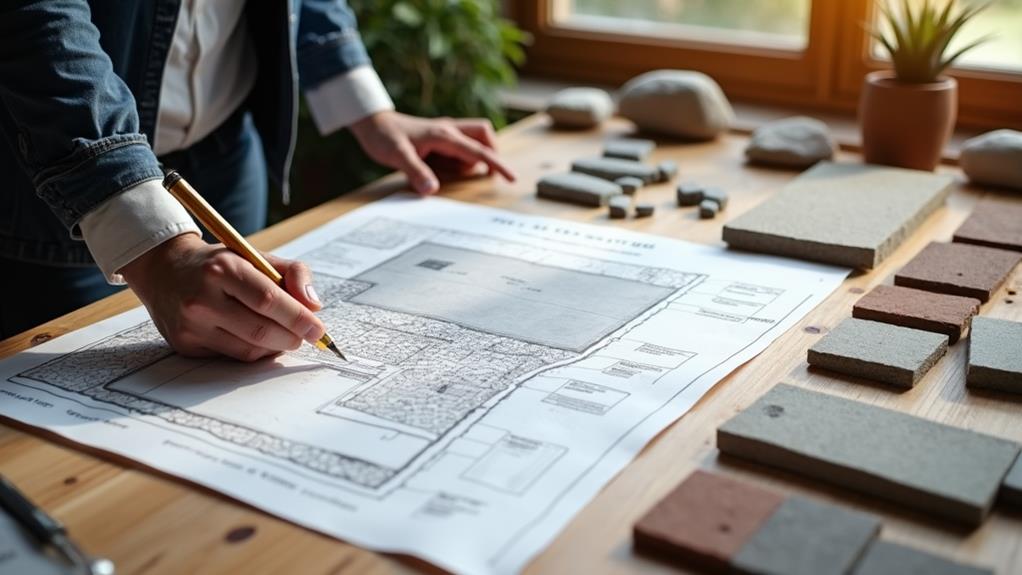
Planning your paving project with precision can save you significant money in the long run. Begin with a thorough budget assessment, mapping out expected expenses against your financial limits. This guarantees you’re not caught off-guard by unforeseen costs and helps prioritize essential over optional expenditures.
Consider the installation of drainage solutions early in the planning phase, as proper water management is vital to prevent future issues such as waterlogging and the associated repair costs.
Next, develop a detailed project timeline. This isn’t just about setting start and end dates; it’s about understanding the sequence of tasks. By planning the order of operations strategically, you can avoid downtime and the costs associated with delays.
For example, scheduling material delivery to coincide precisely with when you’ll need them prevents costly hold-ups.
Consider factors like weather conditions and availability of contractors, as these can influence your timeline and, consequently, your budget. If you’re paving in a season with unpredictable weather, build in extra days to accommodate possible delays, thereby avoiding rushed jobs or extended contractor hire.
Opt for DIY Installation
After meticulously planning your paving project, you might consider taking on the installation yourself to further reduce costs. Going the DIY route can be a smart move if you’ve got the time and are willing to learn the necessary skills. This approach isn’t just about saving on labor expenses; it’s also about gaining a valuable skillset.
First, you’ll need to gather the right tools. Essential items include a tamper for compacting soil, a level to guarantee evenness, and paving stones or bricks. Depending on your design, you might also need a saw for cutting materials to fit corners or curves.
Next, familiarize yourself with installation techniques. Start by preparing the base layer, which is critical for preventing settling and guaranteeing longevity. This involves clearing the area of debris, laying down a sub-base material, and compacting it thoroughly.
Then, lay your paving material in the desired pattern, using spacers for consistent gaps, and finish by filling joints with kiln dried sand, which helps in locking the blocks in place, thereby reducing the risk of movement and enhancing the durability of your paving.
Hire Skilled Contractors
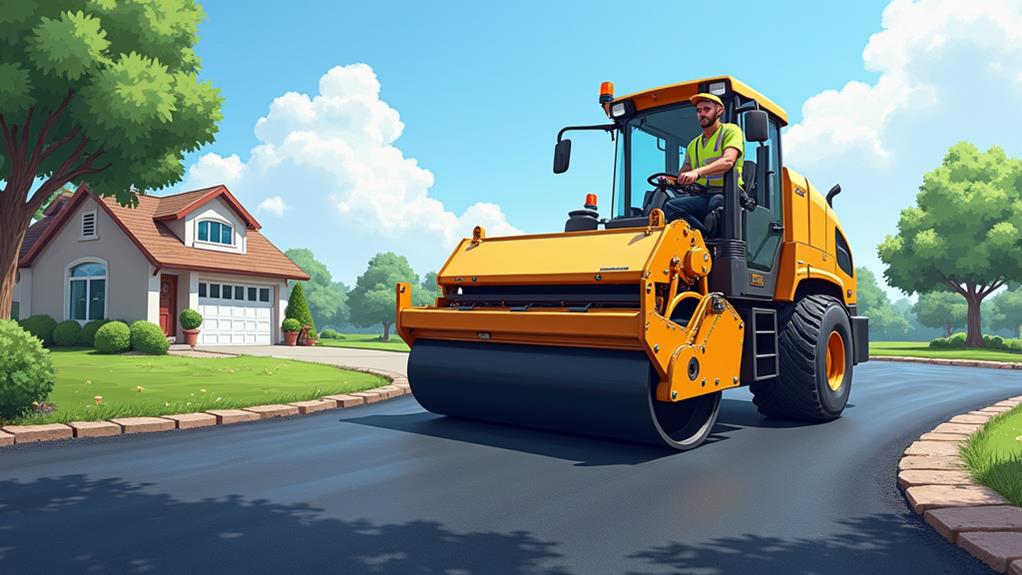
Hiring skilled contractors can be a strategic investment when tackling a paving project. You’ll find that paying up front for contractor qualifications pays off. Skilled contractors bring efficiency, reducing the risk of costly mistakes and delays. This means your project stays on budget and adheres to set timelines.
Additionally, opting for high-quality installation techniques, as practiced by reputable contractors, not only guarantees the longevity of the paving but also compliance with local planning laws, particularly those pertaining to drainage requirements.
When you’re selecting a contractor, don’t just go for the lowest bid. Examine their credentials and past work. A contractor with a solid track record and necessary certifications is more likely to handle your project efficiently, sticking to project timelines and avoiding overruns that can inflate costs unexpectedly.
Moreover, experienced contractors can provide valuable insights and suggest cost-effective materials and methods that you mightn’t be aware of. This strategic advice can cut costs without compromising the quality of your paving. They’re also better at foreseeing potential issues and can implement preventative measures that save you money long-term.
Maintain Regularly
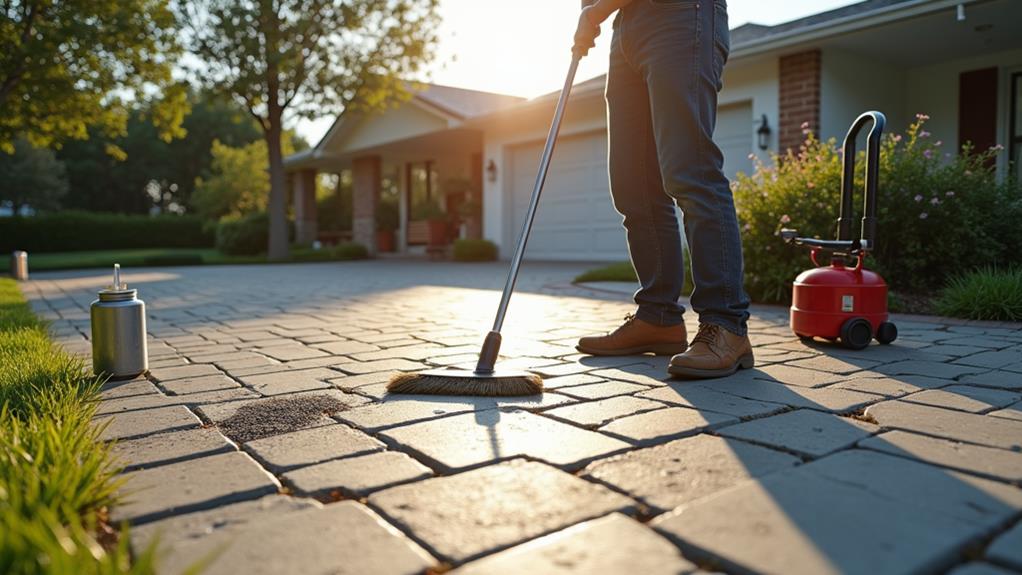
Regular maintenance is your best strategy to extend the lifespan of your pavement and reduce future repair costs. By adopting a regular maintenance routine, you’re fundamentally investing in preventative maintenance, which is far cheaper than the hefty sums you’d fork out for extensive repairs or complete repaving.
It’s vital to start with the basics: keep your pavement clean from debris, chemicals, and water accumulation which can lead to surface damage over time. Implementing routine cleaning and maintenance, such as pressure washing at a controlled pressure and angle, can markedly prevent the build up of dirt and stains that might otherwise require more extensive cleaning efforts later.
Implementing surface sealing is another cost-effective method to protect your investment. This process involves applying a protective layer that seals the small cracks and pores in the pavement. Not only does this prevent water from seeping through and causing damage, but it also extends the surface’s life by protecting it from UV rays, oils, and other harmful substances.
Typically, sealing should be done every two to three years, depending on the level of exposure to traffic and weather conditions.
Strategically, it makes sense to schedule these maintenance tasks during off-peak seasons when the costs might be lower and services more readily available. This approach guarantees you’re not making panicked calls when the damage is already done, but rather, you’re ahead of the game, saving money by mitigating issues before they become severe problems.
Shop During Sales Events
Keep an eye out for sales events when planning to purchase paving materials or hire contracting services. Timing your purchases around these events can lead to substantial savings. Retailers and contractors often offer seasonal discounts and clearance sales to make room for new inventory or promote new services.
Here’s how you can make the most out of these opportunities:
1. Track Seasonal Trends: Understand when paving materials and services might be offered at a discount. Spring and fall are typically good times for outdoor home improvement sales.
Additionally, considering the durability and longevity of block paving, purchasing during sales can greatly enhance the value of your investment over time.
2. Sign Up for Alerts: Many companies send out notifications for upcoming sales. Subscribe to newsletters from your preferred suppliers and contractors to get timely information.
3. Compare Prices: Don’t just jump on the first sale you see. Use the period before the sales event to research standard prices. This way, you’ll know if you’re actually getting a good deal.
4. Plan Ahead: If you’re not in a hurry, wait for the big clearance sales at the end of the season. These can offer the deepest discounts as businesses try to clear out old stock.

Adding curb appeal to your home can be a daunting task, but it doesn't have to be. Designing and installing Read more

As homeowners, we are always looking for ways to improve and add value to our properties. One popular choice for Read more

Block paving, like a well-tended garden, is a testament to the care and attention given to one's property. Just as Read more