
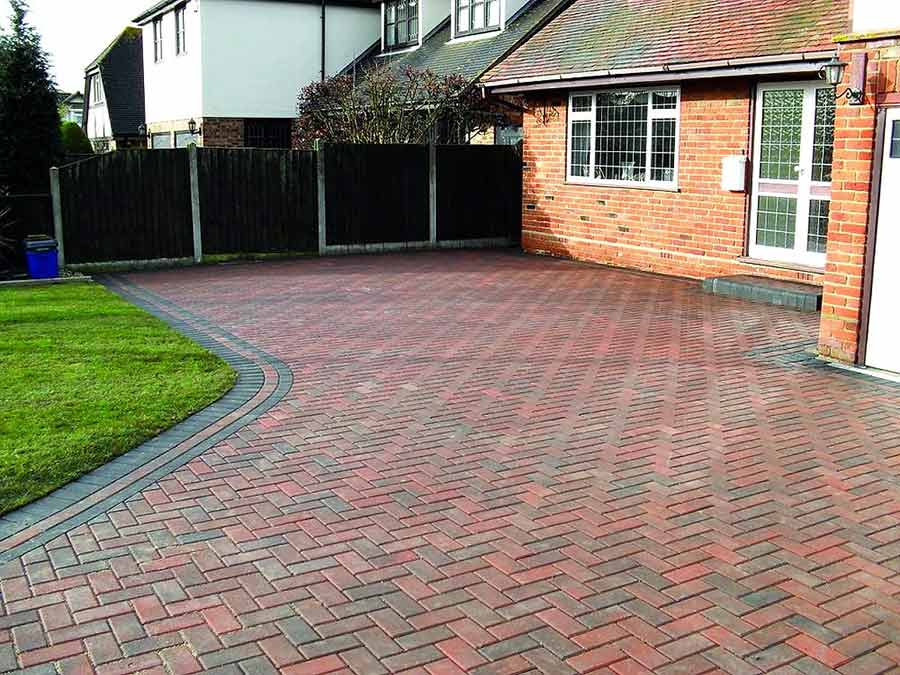
When it comes to laying block paving for your driveway or path, one crucial factor to consider is the thickness of the sand layer. Getting the sand thickness right is essential for a stable and long-lasting block paving installation.
So, how thick should the sand be?
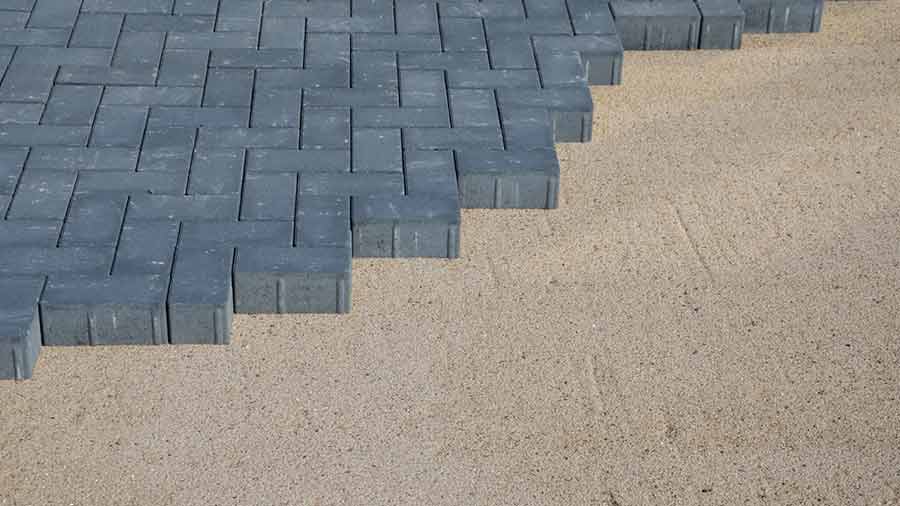
For optimal results, the recommended sand thickness for block paving is around 50mm. This provides a stable foundation for the paving stones and allows for proper compaction, ensuring that your driveway or path stays level and durable for years to come.
It’s also important to use the right type of sand for block paving joints. Kiln-dried sand is highly recommended as it has been dried in a kiln, removing all moisture and making it more resistant to movement and erosion. Using kiln-dried sand helps to fill the joints between the paving stones completely, preventing weed growth, stabilising the blocks, and creating an attractive finished surface.
At Block Paving Nottingham, we understand the importance of proper sand thickness and the right materials for block paving projects.
Our experts are equipped with the knowledge and experience to ensure your block paving installation is done to perfection, providing you with a beautiful and long-lasting driveway or path.
With Block Paving Nottingham, you can trust that your block paving project is in safe hands. Contact us today at https://blockpaving-nottingham.co.uk/ for a professional and reliable block paving service.
How to Lay Block Paving: A Step-by-Step Guide
When it comes to laying block paving, proper preparation and attention to detail are key. By following a step-by-step guide, you can ensure a successful and long-lasting block paving installation for your driveway or patio. Here is a comprehensive guide to help you through the process:
1. Gather the necessary tools and materials
Before you begin laying block paving, make sure you have all the tools and materials you’ll need. This may include a shovel, a wheelbarrow, a spirit level, a rubber mallet, a block splitter, and of course, the block pavers themselves. Additionally, you’ll need sand for the foundation and jointing, as well as edge restraints to keep the paving in place. Having everything ready before you start will help streamline the process.
2. Prepare the area
Next, prepare the area where you’ll be laying the block paving. This involves excavating the ground to the required depth, removing any weeds, and ensuring a solid and well-drained sub-base. It’s important to have a level surface to ensure the blocks sit evenly and securely. Take your time with this step, as a proper foundation is crucial for the longevity of your block paving.
3. Lay the sand and pavers
Once the area is properly prepared, it’s time to lay the sand and pavers. Start by spreading a layer of sand evenly over the prepared surface, using a rake or a screed rail to ensure a consistent thickness. Then, using a block splitter, cut the pavers to fit the desired pattern and layout. Lay the pavers on top of the sand, tapping them gently with a rubber mallet to ensure they are level and secure.
4. Finish with the final touches
Once all the pavers are in place, it’s time to give your block paving installation the finishing touches. Use a brush to sweep kiln-dried sand into the joints between the pavers, ensuring they are completely filled. This will help stabilise the blocks and discourage weed growth. Finally, compact the entire paved area with a plate compactor to ensure the blocks are securely in place.
By following these step-by-step instructions, you can lay block paving with confidence and achieve a professional-looking result. Remember to take your time, pay attention to detail, and consult a professional if needed. With proper installation, your block paving will provide a durable and attractive surface for years to come.
The Importance of a Solid Block Paving Foundation
When it comes to block paving, the foundation is not just an afterthought but a crucial aspect that lays the groundwork for a successful and long-lasting installation. Without a solid foundation, your block paving could suffer from issues such as sinking, shifting, and premature damage. That’s why proper preparation and a well-constructed sub-base are essential for stability and longevity.
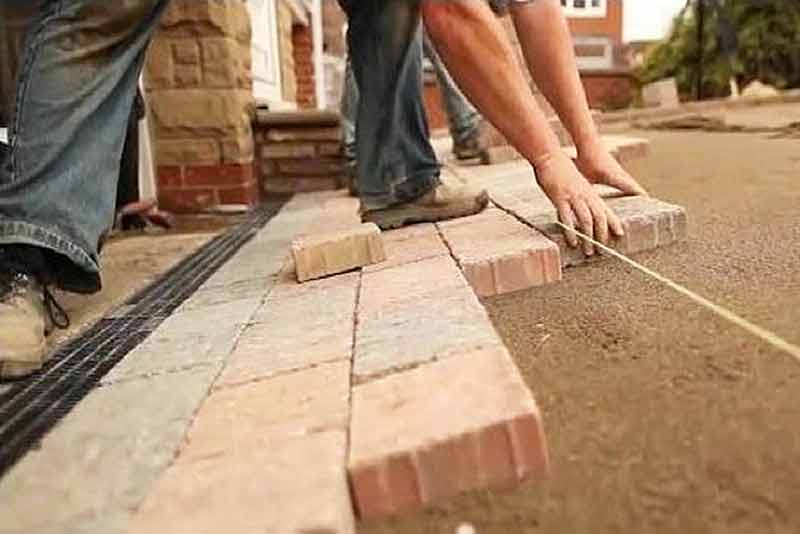
The first step in creating a solid block paving foundation is to excavate the area to the correct depth. This ensures that there is enough space for the necessary layers of sub-base and sand. It’s important to remove any weeds, vegetation, or organic matter during this process to prevent future growth that could compromise the integrity of the paving.
Next, comes the sub-base. Using a quality material like MOT Type 1 hardcore aggregate is crucial as it provides a stable base that can support the weight of vehicles and withstand the test of time. Proper compaction of the sub-base is also vital to ensure a firm and level foundation for your block paving.
By taking the time to prepare a solid foundation, you are investing in the durability and stability of your block paving. A well-constructed foundation will help prevent issues, such as sinking and shifting, and ensure that your block paving maintains its quality and aesthetics for years to come.
Conclusion
Proper sand thickness and a solid foundation are vital elements of a successful block paving project. By following our step-by-step guide, you can achieve a durable and aesthetically pleasing block paved driveway or patio.
When it comes to sand thickness, remember to use around 50mm of kiln-dried sand for jointing. This fine sand is dried in a kiln to remove moisture and provide better resistance to movement and erosion. Fill the joints between your paving stones completely to prevent weed growth, stabilise the blocks, and create a beautiful finished surface.
Equally important is the foundation. Proper preparation and a solid sub-base ensure the stability and longevity of your block paving. Take the time to excavate the area to the correct depth, remove weeds and organic matter, and compact the sub-base thoroughly. Consider using high-quality MOT Type 1 hardcore aggregate for a strong and reliable foundation that can support the weight of vehicles and maintain its integrity over time.
With the right techniques and attention to detail, your block paving project can be a success. Remember to install edge restraints for stability and compact the paving thoroughly for long-lasting results. Enjoy the benefits of a well-laid block paved driveway or patio for years to come.
Call us to get a price quote on a block paving. Contact us today on 07595 510190 to receive a free quote or visit our website.
Source Links
- https://www.marshalls.co.uk/gardens-and
-driveways/blog/how-to-lay-block-paving - https://www.simplypaving.com/advice-centre/
how-to/laying-block-paving-for-your-garden-or-driveway/ - https://www.pavingexpert.com/blocks2

Adding curb appeal to your home can be a daunting task, but it doesn't have to be. Designing and installing Read more

As homeowners, we are always looking for ways to improve and add value to our properties. One popular choice for Read more

Block paving, like a well-tended garden, is a testament to the care and attention given to one's property. Just as Read more