
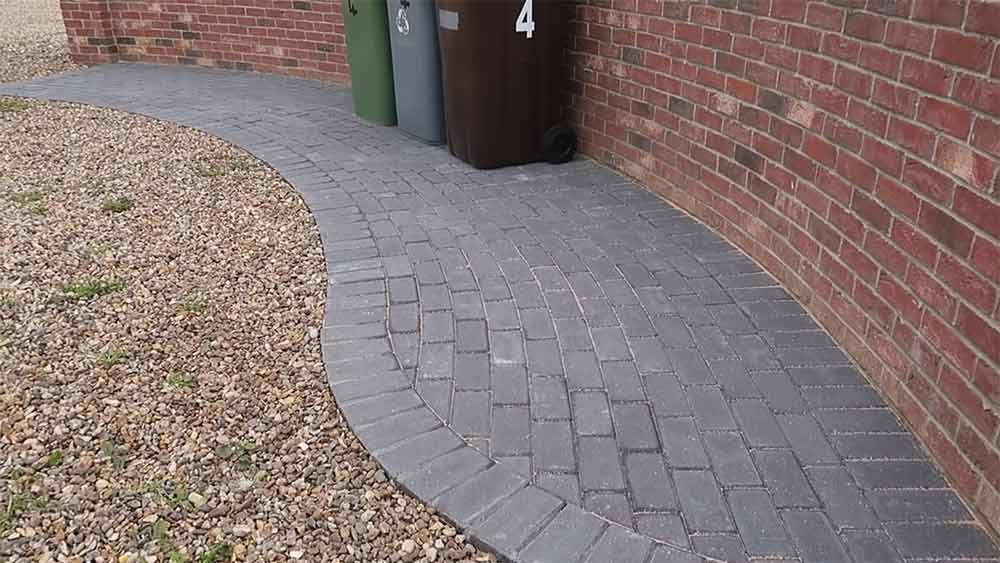
Block paving is a popular choice for updating driveways due to its durability and ease of maintenance. It can be done as a DIY project or by hiring professionals. The size of the paving area, weather conditions, ground conditions, access to the site, and other factors can affect the duration of the project.
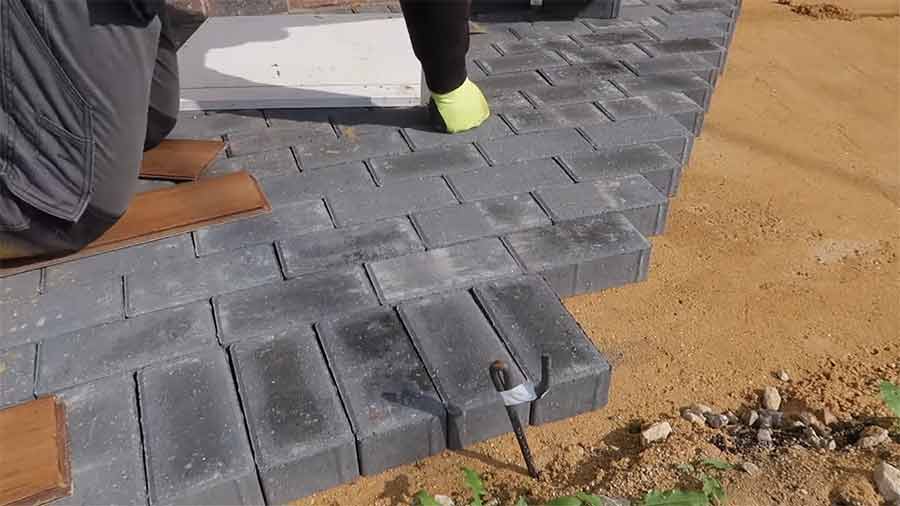
On average, paving a driveway takes about a week, although it can be split over two or three weekends. The process involves stripping back the existing driveway, preparing the sub-base, laying the blocks in sections, and compacting them.
The entire area is then swept and jointing sand is used to fill the gaps between the blocks. The cost of materials for block paving is typically between £18 and £28 per square metre, with additional expenses for equipment rental if needed.
Block Paving Nottingham is a leading block paving company in the UK, offering professional block paving installation services. Their team of experienced block paving contractors ensures high-quality workmanship and attention to detail.
With a wide range of block paving designs to choose from, they can transform your driveway or patio into a stunning outdoor space.
Visit their website at https://blockpaving-nottingham.co.uk/ for more information on their services and block paving prices.
Factors Affecting the Duration of Block Paving
When it comes to block paving, the duration of the project can be influenced by several factors. Understanding these factors can help you plan accordingly and ensure a smooth and efficient installation process.
1. Size of the Paving Area: The size of the area to be paved is one of the main determinants of the project’s duration. Larger areas will naturally take longer to complete compared to smaller ones.
2. Weather Conditions: Weather plays a crucial role in block paving. Rainy days can significantly impact the installation process, as certain steps, such as screeding sand or brushing in jointing sand, may need to be postponed. It’s important to consider the weather forecast when planning your project.
3. Ground Conditions and Access: The state of the ground and the ease of access to the site can affect the speed of excavation and preparation. Challenging ground conditions may require additional time for proper sub-base preparation and compaction.
4. Laying Pattern and Manholes: The complexity of the chosen laying pattern and the presence of manholes can add time to the project. Intricate designs may require more attention to detail and precise cutting of the paving blocks.
5. Legal Processes and Safety Checks: Depending on your location, there may be legal processes to follow, such as the installation of a soak-away system. Safety checks, such as identifying utility or gas lines, should also be conducted before starting any excavation work.
6. Team Expertise and Efficiency: The expertise and efficiency of the block paving team can make a significant difference in the duration of the project. Experienced professionals can streamline the process, ensuring timely completion while maintaining quality.
Summary:
Various factors can influence the duration of a block paving project. These include the size of the area, weather conditions, ground conditions, access to the site, laying pattern complexity, legal processes, and the expertise of the team. By considering these factors and planning accordingly, you can ensure a successful and efficient block paving installation.
Tips for Efficient Block Paving Installation

To ensure a smooth and efficient block paving installation, careful planning and preparation are key. Before getting started, take the time to create a detailed plan of the area you are paving and gather all the necessary tools and materials.
Essential tools include a broom, rake, string line, screed rails, shovel, spirit level, tape measure, mallet, and wheelbarrow.
For materials, you’ll need quality block pavers, sharp sand, kiln-dried sand for jointing, and sturdy edge restraints to keep everything in place.
Proper excavation is crucial. Make sure you dig to the appropriate depth, taking into consideration any damp proof courses and necessary slopes. Next, install the edge restraints securely before laying the blocks. This will help maintain the integrity of your paving over time.
Accurate sub-base preparation and screeding of sand are essential to achieve a level surface. Take your time with these steps to ensure the best possible result. Once the foundation is ready, start laying the blocks in your desired pattern. Compact them carefully to ensure they are firmly in place and won’t shift over time. Finally, use kiln-dried sand to joint the blocks, filling the gaps completely.
Don’t forget the finishing touches. Brushing in the sand and compacting the paving will help create a sturdy, long-lasting surface. By following these tips and paying attention to the details, you’ll be able to complete your block paving installation efficiently and enjoy the benefits for years to come.
Call us to get a price quote on a block paving. Contact us today on 07595 510190 to receive a free quote or visit our website.
Source Links
- https://www.realhomes.com/advice/
home-improvement-jobs-you-can-
do-block-paving-a-driveway - https://www.marshalls.co.uk/gardens-
and-driveways/blog/how-to-lay-block-paving - https://thinkupgarden.com/
how-long-it-takes-to-lay-block-paving/

Adding curb appeal to your home can be a daunting task, but it doesn't have to be. Designing and installing Read more

As homeowners, we are always looking for ways to improve and add value to our properties. One popular choice for Read more

Block paving, like a well-tended garden, is a testament to the care and attention given to one's property. Just as Read more