
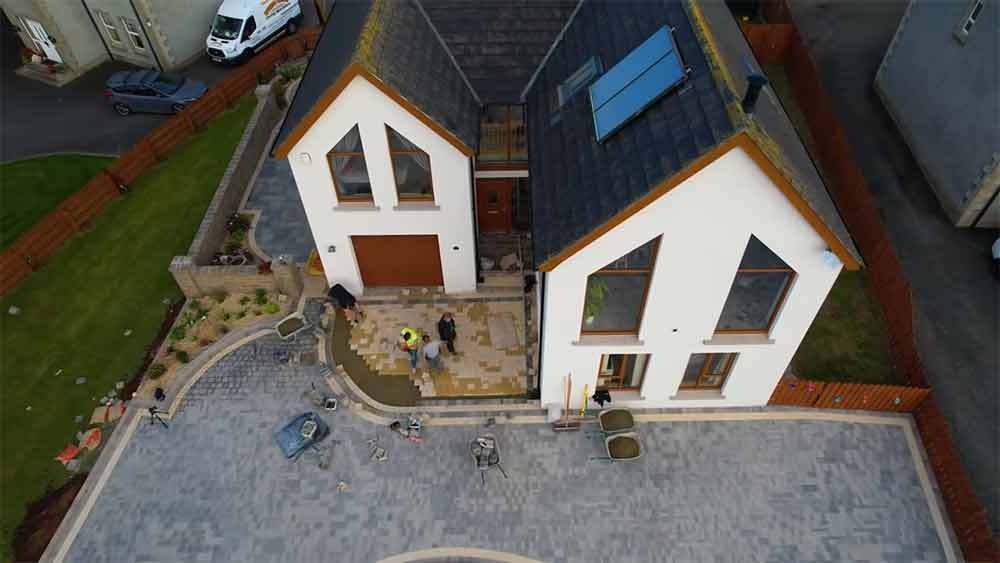
When considering block paving for your driveway or patio, one important factor to consider is whether you need planning permission. Planning permission is a legal requirement set by local authorities in the United Kingdom to regulate and control developments that may impact the environment or the appearance of a property. Understanding the rules and regulations surrounding planning permission will help ensure a smooth and hassle-free block paving project.
If you are planning to use permeable or porous surfacing materials such as gravel, permeable concrete block paving, asphalt, or cobblestones, you usually won’t need planning permission. These materials allow rainwater to drain through, promoting natural drainage and reducing the risk of flooding. However, if you intend to use impermeable materials like traditional concrete or asphalt and your paved area is larger than five square meters, you will likely need to apply for planning permission.
It’s important to note that these rules specifically apply to the paving of your front garden. If your block paving project includes additional works such as walls, gates, or fences, separate planning permission may be required. Different rules may also apply for patios and driveways that are not part of the front garden, as well as for flats, maisonettes, and converted houses.
Creating new access or modifying existing footpaths as part of your paving project may also require formal planning permission. It’s crucial to research and understand the specific planning regulations in your area to ensure compliance with the requirements. Consulting with your local planning authority can provide you with the necessary guidance and support throughout the process.
By familiarising yourself with the planning permission requirements for block paving, you can proceed with your project confidently, knowing that you are adhering to the necessary regulations.
Factors That Determine the Need for Planning Permission
The need for planning permission when block paving a driveway or patio is determined by several factors. One important factor is the type of surfacing material used.
If you choose permeable paving materials that allow rainwater to permeate the ground, such as gravel or permeable concrete block paving, you can often avoid the need for planning permission.
On the other hand, if you opt for impermeable materials like traditional concrete or asphalt, especially on surfaces larger than five square meters, planning permission is likely required.
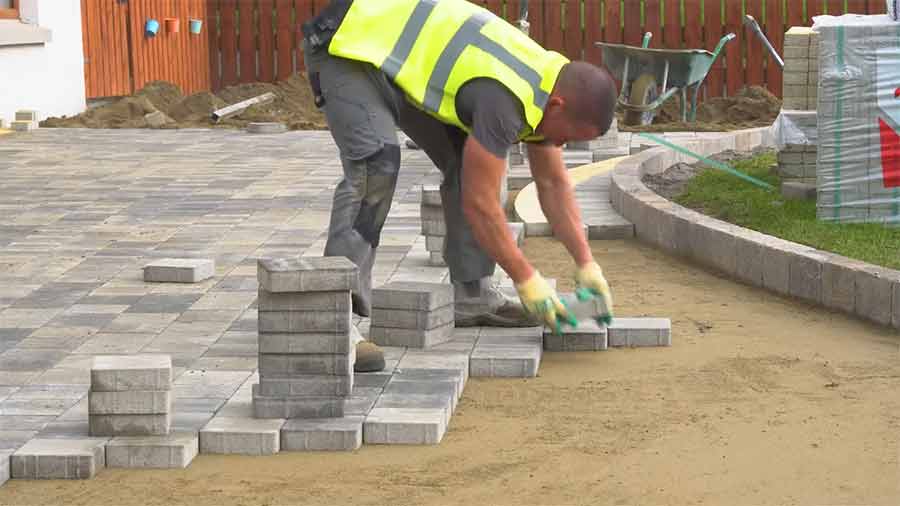
Another factor to consider is whether the paving project involves additional works, such as constructing walls, gates, or fences. In such cases, separate planning permission may be necessary. It’s worth noting that these regulations primarily apply to front gardens, and different rules may apply to driveways and patios that are not located in the front garden area. Additionally, flats, maisonettes, and converted houses may have variable guidelines depending on their location.
If the paving project involves creating new access or modifying existing footpaths, formal planning permission may be required to ensure compliance with regulations. Therefore, it’s essential to consider these factors and consult with your local planning authority to determine whether planning permission is needed for your block paving project.
| Permeable Paving | Impermeable Paving |
|---|---|
| Gravel | Traditional Concrete |
| Permeable Concrete Block Paving | Asphalt |
| Asphalt | |
| Cobblestones |
Exemptions from Planning Permission for Block Paving
In certain circumstances, planning permission may not be required for block paving projects. If the area to be paved is less than five square metres, it is generally considered a small driveway and may not require planning permission. Additionally, if you choose to use permeable materials that allow rainwater to drain naturally into the ground, such as permeable paving blocks, gravel, or resin-bound paving, planning permission may be unnecessary. Natural drainage, where rainwater naturally flows into a drainage ditch or your garden/grass, can also exempt you from planning permission requirements.
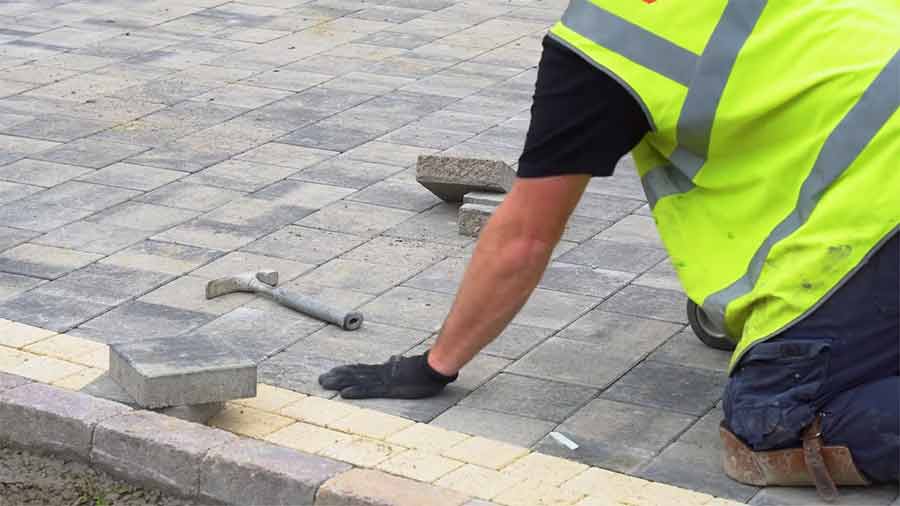
However, it’s important to consider any potential impact on visibility when making changes to your driveway, such as removing or adding trees, walls, or gates. If these changes could adversely affect drivers’ visibility, planning permission may still be required. Additionally, if your property is listed or located in a conservation area, separate planning permission may be necessary to ensure compliance with heritage and preservation regulations.
It’s advisable to consult with your local planning authority to determine any exemptions or specific requirements for your block paving project.
Conclusion
When considering block paving for your driveway or patio, it’s crucial to understand the regulations regarding planning permission. The need for planning permission depends on various factors such as the type of surfacing material, size of the area to be paved, additional works, and impact on visibility.
Choosing permeable paving materials like gravel, permeable concrete block paving, or resin-bound paving can often help in avoiding the need for planning permission. These materials allow rainwater to drain naturally into the ground, providing a more environmentally friendly solution. It’s also important to ensure natural drainage by designing the paving area in a way that allows rainwater to flow into a drainage ditch or your garden.
However, it’s crucial to research and consult with your local planning authority to determine the specific regulations that apply to your block paving project. Different rules may apply for driveways and patios that are not part of the front garden, as well as for properties located in conservation areas or those that are listed. By understanding and complying with the necessary regulations, you can proceed with your block paving project confidently and enjoy a beautifully paved driveway or patio.
Call us to get a price quote on a block paving. Contact us today on 07595 510190 to receive a free quote or visit our website.
Source Links
- https://primethorpepaving.co.uk/blogs/
articles/planning-permission-for-driveways
-what-do-you-need-to-know - https://www.simplypaving.com/advice-centre/
articles/do-i-need-planning-permission
-for-a-new-driveway/ - https://www.thepavingexperts.co.uk/
do-new-driveways-need-planning
-permission-a-comprehensive-guide/

Adding curb appeal to your home can be a daunting task, but it doesn't have to be. Designing and installing Read more

As homeowners, we are always looking for ways to improve and add value to our properties. One popular choice for Read more

Block paving, like a well-tended garden, is a testament to the care and attention given to one's property. Just as Read more