
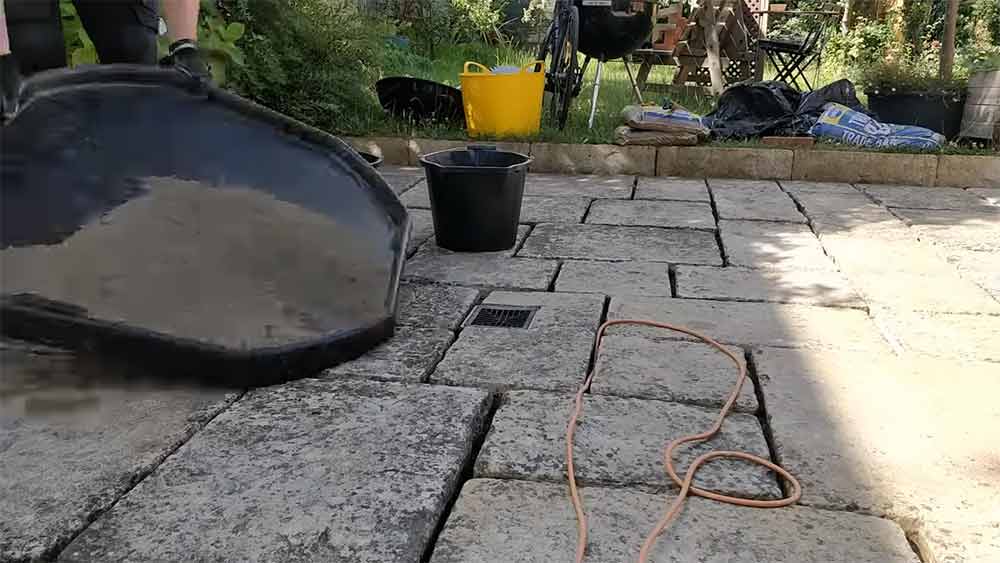
There is conflicting advice regarding the use of dry cement in block paving. Some people recommend mixing cement with sand during the screeding process or filling the joints between the blocks. However, using cement in block paving is not recommended for several reasons. Firstly, block paving requires a flexible bed, and adding cement to the sand goes against this principle. Secondly, using cement in the sand can cause staining and ruin the appearance of the paving.
Additionally, the rigidity of cement can cause it to crack and come out of the joints, leading to the need for re-sanding. It is recommended to use kiln-dried sand without cement for the best results in block paving.
When it comes to block paving, it is important to choose the right materials and techniques for filling the joints. Let’s explore the best options and methods for achieving a strong and visually appealing block paving installation.
The Best Option for Filling Block Paving Joints
When it comes to filling the joints in block paving, the choice of materials is crucial for ensuring a structurally sound and visually appealing result. Kiln-dried sand stands out as the best option for filling block paving joints.
Unlike sharp sand or mortar, kiln-dried sand provides superior flow and fill, creating a well-packed joint that can withstand movement without cracking or staining the paving.
Kiln-dried sand has the ideal characteristics for joint filling in block paving. It is bone-dry and flows easily into the joints, effectively filling the gaps between the paving blocks.

On the other hand, sharp sand may not fully flow into the joints, leaving voids and resulting in an uneven and rough finish. Mortar, although commonly used in other applications, is not suitable for flexible installations like block paving. It can crack when subjected to movement, leading to an unstable joint and potential damage to the paving surface.
Using kiln-dried sand for filling block paving joints is a straightforward process. The sand is simply brushed into the joints, ensuring a complete fill. This technique allows for flexibility, as the sand can settle and adjust with the movement of the blocks. It is important to note that dry brushing-in should be done on a dry paving surface to prevent staining. In some cases, a fine mist of water may be sprayed on the surface to wash the sand into the joints and initiate hydration of the cement, but caution must be exercised to avoid splashing the mix onto the damp surface.
The Benefits of Kiln-Dried Sand for Block Paving Joints
To further demonstrate the advantages of using kiln-dried sand for block paving joints, the table below compares kiln-dried sand, sharp sand, and mortar based on key factors:
| Kiln-Dried Sand | Sharp Sand | Mortar | |
|---|---|---|---|
| Flowability into Joints | Excellent | Fair | Poor |
| Flexibility | High | Medium | Low |
| Potential for Cracking | Low | Medium | High |
| Staining Risk | Low | Medium | High |
As shown in the table, kiln-dried sand excels in all the key factors, making it the best choice for filling block paving joints. Its excellent flowability, high flexibility, low potential for cracking, and minimal staining risk contribute to a durable and aesthetically pleasing joint that enhances the overall look and longevity of the block paving installation.
The Process of Dry Brush-in for Block Paving Joints
Dry brush-in is a popular technique used for filling block paving joints without the use of water. This method involves using a dry mix of sand and cement to fill the gaps between the paving blocks. The process begins with ensuring that the paving surface is completely dry to prevent the jointing mix from sticking and staining the pavement.
To dry brush-in, scatter the dry mix of sand and cement onto the surface of the paving. Then, using a soft brush, brush the mix into the joints, ensuring that it is evenly distributed. This step requires patience and precision to achieve a proper fill. It may be necessary to go over the area multiple times to ensure all the joints are adequately filled.
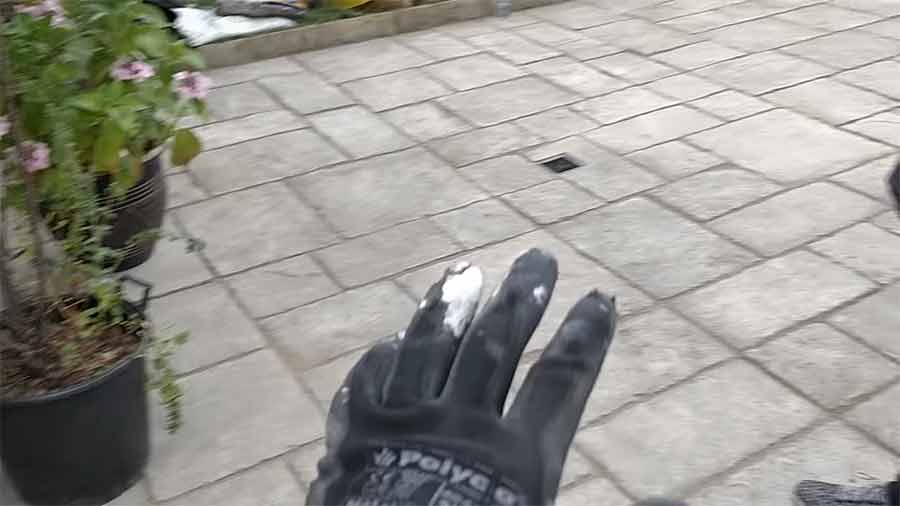
Once the mix is brushed into the joints, it needs to be compacted to create a sturdy and stable surface. This can be done using a pointing bar or the blade of a trowel. Gently press the mix into the joints, taking care not to damage the paving blocks. The compaction process allows the mix to settle and creates a strong bond between the blocks.
It’s important to note that variations of dry brush-in may involve spraying a fine mist of water on the surface to wash the mix into the joints and initiate hydration of the cement. However, this method should be approached cautiously to avoid splashing the mix onto the damp surface, which can cause staining.
Table: Pros and Cons of Dry Brush-in for Block Paving Joints
| Pros | Cons |
|---|---|
| Does not require water | Requires a completely dry surface |
| Can provide a strong bond between blocks | May require multiple passes for proper fill |
| Can be a cost-effective option | Difficult to remove excess mix once compacted |
| Can be done without specialised equipment | Requires patience and precision |
While dry brush-in can be an effective technique for filling block paving joints, it is important to follow the correct steps and ensure a completely dry surface. With proper execution, dry brush-in can result in a visually appealing and durable block paving installation.
In Summary
When it comes to block paving, it is best to avoid using dry cement for filling joints. The use of cement in block paving can lead to various issues such as sinking blocks, staining, and cracking. Kiln-dried sand is the recommended option for filling block paving joints as it provides a flexible and well-filled joint.
Dry brush-in is a technique that can be used for jointing block paving, but it requires careful execution and a completely dry paving surface. This method involves using a mix of sand and cement without any water. The dry mix is scattered onto the surface of the paving and then brushed into the joints with a soft brush. To achieve a proper fill, the dry mix is compacted into the joints using a pointing bar or the blade of a trowel.
By following the proper jointing techniques and using kiln-dried sand, you can achieve a long-lasting and visually appealing block paving installation. If you’re in the Nottingham area and looking for professional block paving services, Block Paving Nottingham is here to help. Visit their website at https://blockpaving-nottingham.co.uk/ for more information.
Call us to get a price quote on a block paving. Contact us today on 07595 510190 to receive a free quote or visit our website.
Source Links
- https://thinkupgarden.com/mortar-sharp-sand-between-block-paving-joints/
- https://thinkupgarden.com/cement-in-sand-for-block-paving/
- https://www.pavingexpert.com/jointing05

Adding curb appeal to your home can be a daunting task, but it doesn't have to be. Designing and installing Read more

As homeowners, we are always looking for ways to improve and add value to our properties. One popular choice for Read more

Block paving, like a well-tended garden, is a testament to the care and attention given to one's property. Just as Read more