
You should know that block pavers, typically made from concrete or clay, aren’t the most eco-friendly option available due to their production processes. The manufacturing of concrete pavers is particularly energy-intensive, producing significant CO2 emissions. Clay pavers, while perhaps a bit less harmful, still contribute to environmental degradation through the extraction and transportation processes. On a positive note, the longevity and low maintenance of block pavers reduce their overall environmental impact over their lifespan. Additionally, they can be recycled and reused, aligning with circular economy principles. Exploring further can reveal more sustainable options and innovative practices that can mitigate these impacts.
Composition of Block Pavers
Block pavers, often comprised of concrete or clay, are typically chosen for their durability and aesthetic appeal. However, you should consider the environmental impact of their composition and material sourcing before making your selection.
Concrete pavers are made from a mixture of cement, sand, aggregates, and water. The sourcing of these raw materials, especially cement, involves significant energy consumption and CO2 emissions. Additionally, the extraction of aggregates can lead to soil erosion and habitat destruction if not managed responsibly.
On the other hand, clay, used for making clay pavers, is extracted from the earth, which raises concerns about land degradation and the energy used in extraction and transportation processes. The environmental footprint of both materials largely depends on the methods used in their extraction and the distance they’re transported to the manufacturing site.
To mitigate these impacts, manufacturers are turning towards more sustainable practices like using recycled materials in concrete pavers and sourcing clay from locations with responsible land management policies. This approach not only helps in conserving natural resources but also supports sustainable development in the industry.
Additionally, the sustainable landscaping practices associated with imprinted concrete, which include recycling the material and its low maintenance requirements, further reinforce the importance of selecting eco-friendly paving solutions.
Production Process Impact
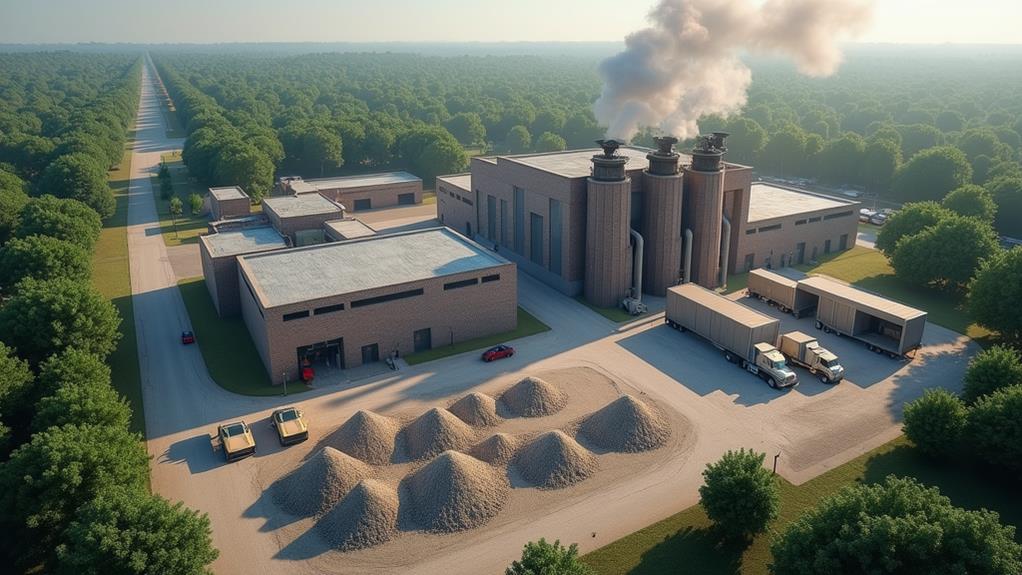
While considering the environmental impact of block pavers, it’s vital to examine the production processes involved. The manufacturing of block pavers largely determines their carbon footprint and overall sustainability.
You’ll find that this process is energy-intensive, primarily due to the high temperatures required to cure the pavers. The kilns used can reach temperatures well above 1,000 degrees Celsius, which notably raises energy consumption.
Moreover, the source of this energy plays an important role in the eco-friendliness of the production process. If the energy comes from fossil fuels, the carbon emissions are considerably higher compared to renewable energy sources like wind or solar power.
It’s also worth noting the transportation of raw materials, which adds to the carbon footprint. Materials often travel long distances from source to manufacturing site, consuming substantial amounts of fossil fuel during transportation.
Considering alternative paving options such as resin bound paving might offer a more sustainable choice due to its lower energy-intensive production and use of natural materials that are more eco-friendly.
In your quest to choose environmentally friendly options, you should consider manufacturers that use recycled materials and renewable energy in their production processes. These practices can reduce the overall environmental impact, making block pavers a more sustainable choice for your landscaping projects.
Keep in mind that the less energy-intensive the production process, the lower the environmental toll.
Durability and Maintenance
When evaluating the eco-friendliness of block pavers, you must also consider their durability and maintenance requirements. Block pavers are renowned for their robustness and longevity, aspects that greatly reduce the frequency and intensity of maintenance. This inherent durability is primarily due to the high-quality materials used in their manufacture, which also endows them with exceptional weather resistance. Consequently, they can withstand extreme temperatures, heavy rainfall, and prolonged sun exposure without considerable wear.
This resistance to weather-related damage not only maintains the aesthetic appeal of the installation but also lessens the need for frequent replacements. Regular maintenance is generally limited to occasional cleaning and the infill of joint sand, which helps prevent weed growth and shifting of pavers. Importantly, the simplicity of this maintenance means that it can typically be performed without the use of harsh chemicals or intensive labour.
Moreover, the proper soil compaction during installation enhances the stability and longevity of the paving, reducing the likelihood of sinking or shifting that might otherwise necessitate repair or replacement. This adds another layer to their sustainability by ensuring that the pavers maintain their form and function over an extended period without additional resources.
The combination of durable materials, weather resistance, and low maintenance needs contributes to a lower overall environmental impact throughout the lifecycle of the pavers. By reducing resource depletion and diminishing the need for frequent replacements or extensive upkeep, block pavers present a sustainable paving solution that aligns well with eco-friendly building practices.
Recycling and Reusability

In addition to their durability and low maintenance, block pavers are also highly prized for their potential in recycling and reusability. This aspect is pivotal when evaluating their overall environmental benefits. By integrating used, reclaimed materials, or recycling aged block pavers at the end of their lifecycle, you’re contributing to a reduced demand for virgin resources.
This process considerably lessens the environmental footprint associated with the extraction and processing of raw materials. The lifecycle assessment of block pavers further demonstrates their eco-friendliness. Once removed, these pavers can be cleaned and reused in new projects with slight resource input compared to manufacturing new pavers.
Such practices not only conserve natural resources but also reduce waste, thereby enhancing sustainability. Furthermore, the ability to recycle these materials at the end of their useful life alleviates landfill use, reducing detrimental impacts on the environment.
You’ll find that reusing and recycling block pavers aligns with a circular economy model, where materials are kept in use as long as possible. This approach greatly lowers the environmental impact and supports sustainability goals, making block pavers a more eco-responsible choice for paving solutions.
To further support ecological preservation, permeable block paving options are available, designed for efficient water management and reduced flood risks, supplementing the sustainability of the installation.
Alternative Sustainable Materials
Exploring alternative sustainable materials offers you further options to enhance the eco-friendliness of your paving projects. Among the viable choices, permeable pavers stand out due to their ability to reduce runoff and increase groundwater recharge. Made from either recycled plastic grids or porous concrete, these pavers allow water to pass through the surface directly into the soil below, mitigating flooding and reducing the need for stormwater management systems.
Additionally, considering permeable options for block paving not only aids in flood prevention but also enhances safety by reducing surface water accumulation.
Switching focus to natural materials, you’ll find that options like reclaimed stone and terracotta provide unique ecological benefits. Reclaimed stone, salvaged from older structures and repurposed, doesn’t require new resources, thereby lowering environmental impact.
Terracotta, made from natural clay, is both durable and recyclable, offering a rustic aesthetic without compromising on sustainability.
When you’re planning your next project, consider these alternatives not only for their functional benefits but also their lower carbon footprint. The use of such materials supports sustainable construction practices and contributes to a healthier ecosystem.
Innovations in Eco-Friendly Paving

Technological advancements are transforming eco-friendly paving, offering you new ways to approach environmentally responsible construction. Today, innovations focus not only on the materials themselves but also on how these materials can enhance the sustainability of urban landscaping.
One significant stride in this field is the development of permeable surfaces, which are designed to allow water to pass through, reducing runoff and preventing erosion.
Permeable pavers, made from recycled materials like plastic or rubber, are becoming increasingly popular. They’re not only effective in managing stormwater but also in reducing the urban heat island effect, making them an essential component of modern urban landscaping.
These sustainable landscaping practices are key in supporting local flora and promoting biodiversity, further enhancing the environmental benefits of block paving. By integrating these pavers into your projects, you’re contributing to a more sustainable environment, ensuring that groundwater resources are replenished and that fewer pollutants reach our waterways.
Moreover, research is pushing the boundaries of what’s possible with eco-friendly pavers. Scientists and engineers are exploring bio-based materials that can sequester carbon, actively reducing the carbon footprint of construction projects.
These materials aren’t only durable but also capable of decomposing without leaving harmful residues, which supports a circular economy in building materials.
As you consider your next paving project, remember that these innovations offer you a way to not only enhance the aesthetic appeal of your spaces but also their environmental impact.

Adding curb appeal to your home can be a daunting task, but it doesn't have to be. Designing and installing Read more

As homeowners, we are always looking for ways to improve and add value to our properties. One popular choice for Read more

Block paving, like a well-tended garden, is a testament to the care and attention given to one's property. Just as Read more